Cooperative vs Competitive Board Games for Siblings on Road Trips
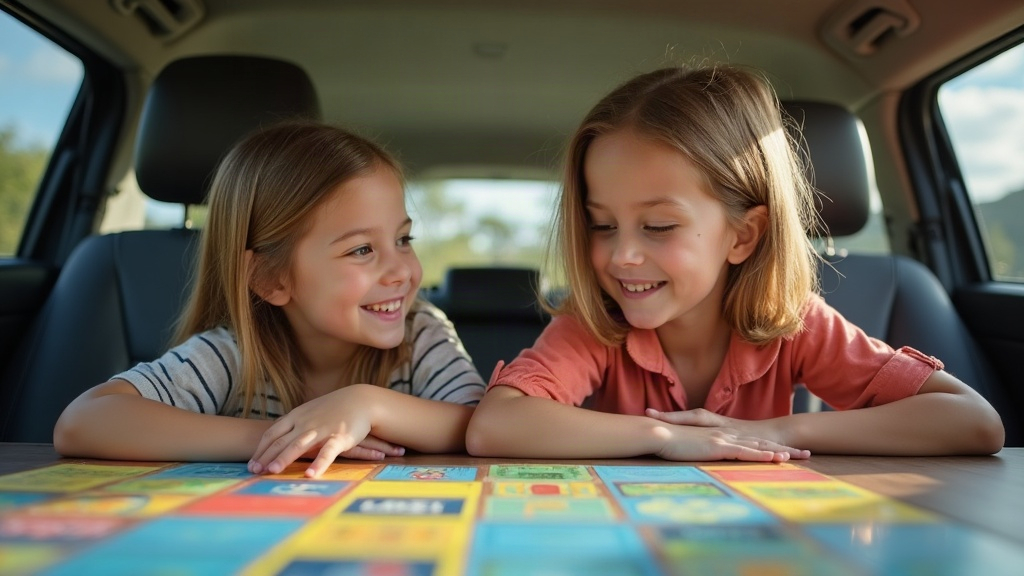
Cooperative vs. Competitive Board Games for Sibling Road Trips: Which Wins?
Pick the wrong game type for a long car ride and you’ll know it within twenty minutes: someone’s crying, someone’s yelling “that’s not fair,” and you’re pulling into a gas station just to reset the mood. Cooperative games, where kids work toward one shared goal, tend to cut down on fighting and get siblings actually talking to each other. Competitive games bring energy and a bit of healthy rivalry, but hand them to the wrong pair of kids and you’re refereeing a meltdown by mile 50. The right pick really comes down to your kids’ ages, their personalities, and how many hours you’re actually going to be trapped together.
Why the Game Type Matters More Than the Game Itself
Most parents spend their time hunting for the “best” travel game when the real question is structural: does this game have a winner? Cooperative games sidestep that entirely. Everyone wins or everyone loses, together, as a team. Competitive games crown a single winner, and that’s thrilling if your kid is the confident, scrappy type. It’s a different story for a younger sibling who takes losing hard.
Throw in the usual road trip ingredients, cramped seats, boredom, a bladder that needs a bathroom in twenty minutes, and that win/lose distinction stops being a minor detail. It becomes the thing that decides whether the next hour is pleasant or miserable.
Cooperative Board Games: Pros and Best Picks
Why they work well in a car:
- Nobody “loses,” so there’s a lot less whining and far fewer tears
- Siblings end up talking and strategizing together, which eats up time nicely
- Works well across age gaps since an older kid can quietly steer a younger one without it feeling like charity
Top portable cooperative options:
- Forbidden Island (there’s a compact travel edition) — kids race to grab treasures before the island goes under
- Outfoxed! — a little mystery-solving game, solid for ages 5 and up
- Hoot Owl Hoot! — a dead-simple cooperative matching game, perfect for preschoolers
Downside: Play these three or four times in a row and they start to feel the same, since there’s no shifting rivalry to keep anyone on their toes. A kid who’s naturally competitive might start calling it “boring” by round three.
Competitive Board Games: Pros and Best Picks
Why they work well in a car:
- Keeps older kids (8 and up) locked in for longer stretches
- Forces quick thinking and some actual strategy, not just rote moves
- High replay value, since no two rounds play out the same way
Top portable competitive options:
- Sleeping Queens — a fast card game with just enough strategy, ages 6+
- Spot It! — quick visual matching, great for short five-minute bursts
- Rush Hour (technically single-player, but easy to turn into a timed race) — handy for solo downtime between the competitive rounds
Downside: Mismatched skill levels are the real risk here. A 10-year-old who keeps crushing a 6-year-old at Sleeping Queens isn’t building character, they’re building resentment. That’s exactly the kind of argument you don’t want at mile marker 200 with no exit in sight.
Which One Should You Choose?
Here’s a simple way to decide:
- Kids close in age who generally get along: lean into competitive games. The friendly rivalry adds variety.
- Noticeable age gap (3+ years) or a history of sibling friction: start cooperative. Build up some good shared wins before you introduce competition into the mix.
- Long trip, 6+ hours: bring both and rotate. Save cooperative games for the tense stretches (right after a meal, right before a nap) and pull out competitive ones when energy is high.
Practical Tips for the Car
- Pick games with small pieces that zip into a pouch. Loose cards and tokens sliding under the car seat are an actual nightmare to retrieve at 70 mph.
- Magnetic or card-based games travel far better than anything needing a flat board, unless you enjoy chasing pieces every time you hit a pothole.
- Lay down a “no sore losers” rule before the competitive games come out, and maybe dangle a small reward, a sticker, an extra snack, for good sportsmanship.
- Toddlers don’t need either category yet. Stick with simple matching games or sticker books. Real game mechanics usually don’t click until around age 4 or 5.
Real-World Example
On an 8-hour drive one family took recently, they opened with Hoot Owl Hoot! (cooperative) in the morning while everyone was still half-asleep, switched to Spot It! (competitive) right after lunch to shake off the post-meal slump, and closed out the day back on Forbidden Island to wind things down without drama before pulling into the driveway. A 5-year-old and a 9-year-old stayed engaged the entire time, and nobody argued once about who technically “won.”
Conclusion
There isn’t really a winner in the cooperative-versus-competitive debate. The smart move is packing both. Lean on cooperative games to build teamwork and cool things down when tempers rise, and bring out the competitive ones when everyone’s in a good mood and up for a little rivalry. Get that mix right, and those long highway hours turn into actual bonding time instead of a fight waiting to happen.