How to Remove Sticky Soda Residue From Cardboard Board Games Safely
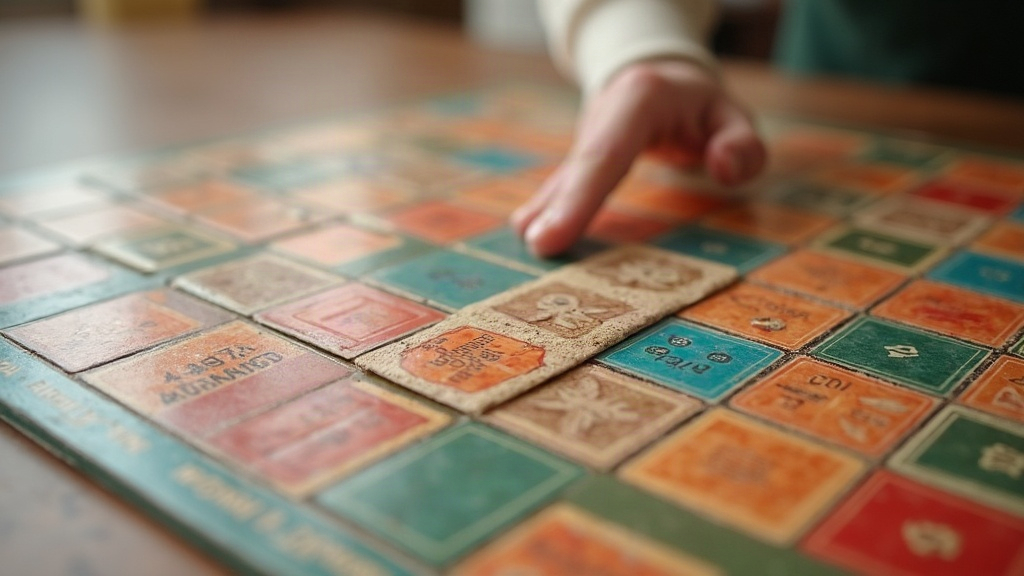
Spilled soda on a cardboard board game turns a fun game night into a sticky mess fast, and panic-cleaning with a wet rag is pretty much the quickest route to a permanently warped, delaminated board. The good news? You can get sticky soda residue off a cardboard board game without warping it, as long as you control the moisture carefully and work in small, deliberate steps instead of soaking the whole surface at once.
Why Soda Is So Damaging to Cardboard
Soda isn’t just sugary water. It’s a cocktail of sugar, acid, and carbonation that soaks into porous cardboard fibers almost on contact. Unlike plain water, sugar residue doesn’t just evaporate and disappear. It stays tacky, pulling in dust, dirt, and (if you let it sit too long) even bugs. The real problem isn’t the stickiness itself. It’s what happens when people try to fix it by dousing the board in liquid, which makes the inner paper layers swell, separate, and bubble.
Step 1: Act Fast, But Don’t Panic-Wipe
The moment a spill happens:
- Blot immediately with a dry paper towel or microfiber cloth. Never rub. Rubbing just drives the liquid deeper into the cardboard layers.
- Lift the board slightly (if it folds out) so soda doesn’t pool in the creases or hinges.
- Don’t tilt the board in a way that sends soda sliding toward printed areas or box edges.
At this stage, speed beats technique. Every extra minute that sugar sits on the board, the harder it bonds to the surface, so grab a towel before you grab your phone to google what to do.
Step 2: Use the “Damp, Not Wet” Cleaning Method
Avoiding warping really comes down to minimizing how much moisture actually touches the board. Here’s the approach that works:
- Dampen a cloth, not the board. Lightly moisten a microfiber cloth with lukewarm water. It should feel barely damp, not dripping, more like a cloth you’d use to wipe eyeglasses than one you’d mop a floor with.
- Dab, don’t scrub. Press gently on sticky spots in small circular motions, re-dampening the cloth as you go instead of adding more water straight to the board.
- Follow immediately with a dry cloth. After every damp dab, go back over the spot with something dry to pull moisture back out before it has a chance to soak in.
- Work in small sections. Clean one sticky patch at a time instead of wiping the whole board at once. This keeps any single area from staying wet too long.
Step 3: Tackle Stubborn Sugar Residue
If the stickiness is still hanging on after your first pass:
- Mix one part white vinegar with three parts water. It’s mildly acidic, enough to break down sugar without flooding the board.
- Apply with a barely-damp cotton swab for precision work on small sticky patches, logos, or text.
- Skip alcohol-based cleaners on printed areas, since they can lift the ink right off. That said, isopropyl alcohol on a dry cloth is fine for plastic pieces and blank, unprinted spaces.
Step 4: Dry the Board Correctly to Prevent Warping
Drying matters just as much as cleaning, maybe more.
- Lay the board completely flat on a clean, dry towel. Never prop it upright or fold it while it’s still damp.
- Place a second dry towel on top and press down gently to soak up whatever moisture is left.
- Skip the sunlight and the hairdryer. Fast, uneven heat is one of the most common reasons boards warp and bubble in the first place.
- Let it air-dry flat for 12 to 24 hours, checking in now and then and swapping in fresh dry towels as needed.
- Once it’s dry, stack a few heavy, flat books on top overnight. This presses out any minor waviness before it has a chance to set in permanently.
What to Do If the Board Already Warped
If some warping has already crept in:
- Light warping usually responds to the flat-drying-plus-weight trick above, repeated over 24 to 48 hours.
- If a fold line feels stiff or swollen, gently flex the board along its original crease once it’s fully dry to loosen it back up.
- Severe bubbling or delamination, honestly, usually can’t be undone. At that point, a protective board sleeve or laminate pouch is your best bet for keeping things from getting worse during future games.
Preventing Future Sticky Spills
- Use playmats or table protectors on nights when snacks and drinks are flowing.
- Slide boards into clear plastic sleeves, which most game accessory shops sell cheap.
- Keep drinks in spill-resistant cups with lids anywhere near the table.
Conclusion
Getting sticky soda off a cardboard board game without warping it really comes down to one rule: control the moisture, don’t flood it. Blot fast, clean with barely-damp cloths in small sections, dry the board flat under gentle pressure, and skip the heat shortcuts. Do that, and even a soda-soaked board stands a decent chance of being rescued in time for the next game night.