How to Store Board Games in a Humid Basement Without Mildew
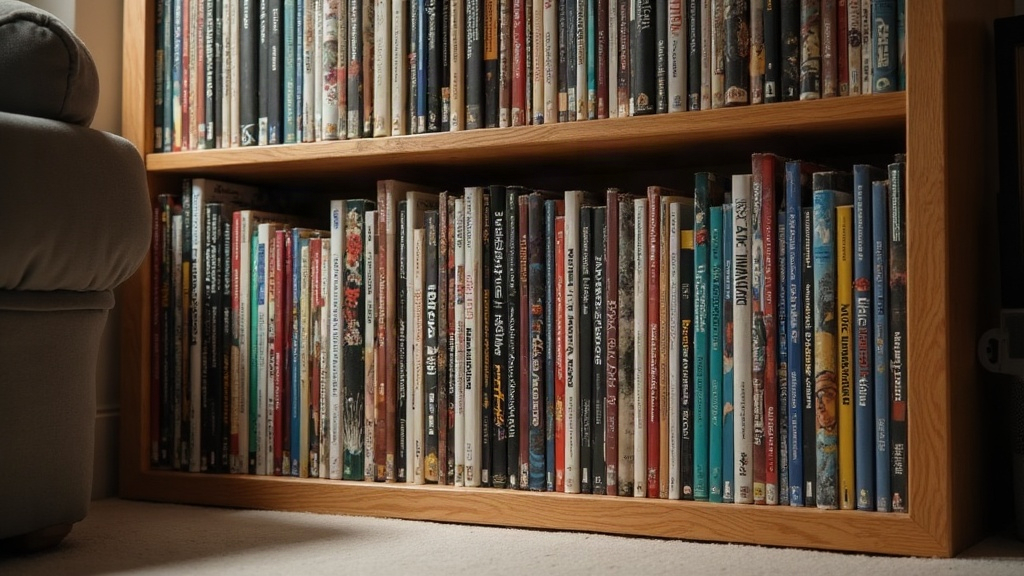
How to Store Board Games in a Humid Basement Without Ruining Them
Storing board games in a humid basement is asking for trouble. Cardboard boxes, paper components, and wooden pieces soak up moisture fast, and before you know it you’ve got warped boards, a musty smell creeping off the shelves, and mildew spreading through a collection you spent years building. One bad season down there and you could lose half your library.
The good news? With the right containers, decent airflow, and some humidity control, you can keep even a sprawling game collection safe in a basement. Here’s how.
Why Basements Are Hard on Board Games
Basements sit below grade, which means they run humid almost by default. Add poor ventilation and the temperature swings that come with changing seasons, and you get condensation forming on walls and floors you can’t always see happening. Cardboard doesn’t help matters either. It’s basically compressed paper fiber, and paper fiber is hygroscopic, meaning it pulls moisture right out of the surrounding air like a sponge. Once relative humidity creeps past 60%, mold spores (and they’re floating around pretty much everywhere, even in clean homes) start to wake up and multiply. That’s the point where you notice fuzzy spots on a box lid or catch that sour, musty smell when you open a storage bin.
Some warning signs that your basement has crossed the line:
- A musty smell lingering near shelves or storage bins
- Condensation beading on concrete walls or the floor
- Visible mold on cardboard boxes or old books stored nearby
- Game boards or insert trays that have started to warp or bow
Step 1: Measure and Control Humidity First
Before you buy a single plastic bin, deal with the room itself. Containers can only do so much if the air around them is swimming in moisture.
- Get a hygrometer. These run $10 to $15 and tell you exactly what’s going on in the room, no guesswork. Aim to keep relative humidity under 50%, and 40-45% is even better.
- Run a dehumidifier, continuously. A mid-size unit (30-50 pint capacity) with a drain hose running to a floor drain or sump pit is probably the single best investment you can make here. Set it and forget it.
- Get the air moving. Mold loves still, stagnant pockets of air near walls. A small fan pointed at the storage area, or just pulling shelving a few inches off the exterior wall, makes a real difference.
- Get everything off the floor. Concrete slabs wick moisture upward even when there’s no visible flooding, so use wire shelving (not wood) raised at least 4-6 inches off the ground.
Step 2: Choose the Right Storage Containers
Cardboard game boxes offer zero moisture protection on their own. Treat them as fragile and wrap them accordingly.
- Clear plastic bins with locking lids are the best option out there. They block humidity, dust, and pests, and you can see what’s inside without digging through a pile.
- Skip the fully airtight, vacuum-sealed bins unless you’re adding desiccant. Sounds counterintuitive, but trapping humid air inside a sealed box is worse than leaving it open. Whatever moisture is already in there has nowhere to go.
- Toss in silica gel packets. The rechargeable, color-indicating kind are worth the extra dollar or two since you can microwave or oven-dry them once they turn pink and use them again and again.
- Sort by weight and fragility. Don’t pile a heavy Euro game on top of a box with delicate insert trays or paper money inside. Weight plus humidity is a fast track to warping.
Step 3: Protect Components Inside the Box
A good bin helps, but the components themselves need their own layer of defense.
- Bag your cards and tiles in resealable sleeves or zip bags so they don’t absorb ambient moisture and fuse together into a brick.
- Pull off the rubber bands. They break down over time, leave sticky residue, and press uneven marks into card stacks.
- Store boards flat, never standing on edge. Gravity plus humidity is a recipe for warping, especially with cheaper, thinner boards.
- Drop in a small packet of activated charcoal with wooden components. It handles odor and moisture at the same time.
Step 4: Set Up Smart Shelving
- Metal wire racks (the kind you’d see at a restaurant supply store) beat wood every time here. They don’t hold onto moisture and let air circulate around all sides of each bin.
- Pull shelves at least 2 inches off exterior walls so condensation on the wall doesn’t transfer straight to your boxes.
- Never leave bins sitting directly on the floor, not even “just for now” during a move or renovation. Basement flooding happens more often than people expect, and it doesn’t take much water to ruin a box.
What to Do If You Already See Mildew
- Pull the affected game out right away, before spores get a chance to spread to the boxes next to it.
- Wipe down hard surfaces (plastic pieces, metal tokens, laminated boards) with a cloth dampened in diluted white vinegar or isopropyl alcohol.
- Be realistic about porous materials. Unsealed cardboard, paper money, cloth bags: once mold has really taken hold, these are usually not worth saving. Replace them instead of fighting a losing battle.
- Let everything dry fully in a ventilated, low-humidity space before it goes back into storage.
Conclusion
A damp basement doesn’t have to be a death sentence for your game collection. Get a hygrometer, run a dehumidifier, store games in sealed plastic bins with silica gel, keep everything up off the floor and away from the walls, and give fragile components their own extra protection. Do all that consistently, and your games will stay dry, smell fine, and be ready for game night years down the road.